
Benefits of Flex PCB
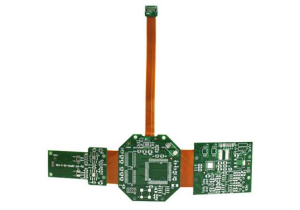
Flex PCBs and rigid flex PCBs are two popular choices in the world of printed circuit boards.
Both offer unique advantages and are suitable for different applications. In this article, we will delve into the benefits of flex PCBs and how they compare to rigid flex PCBs.
Flex PCBs, also known as flexible printed circuit boards, are designed to be flexible and bendable.
This flexibility allows for greater freedom in design, making them ideal for applications where space is limited or where the board needs to conform to a specific shape.
Flex PCBs are also lightweight and durable, making them a popular choice for products that need to withstand repeated bending or flexing.
One of the key benefits of flex PCBs is their ability to reduce the overall size and weight of a product.
Because they can be bent or folded, flex PCBs can be used in applications where traditional rigid PCBs would not fit.
This can lead to more compact and lightweight products, which is especially important in industries such as aerospace, automotive, and medical devices.
Flex PCBs also offer improved reliability compared to rigid PCBs.
The lack of solder joints and connectors in flex PCBs reduces the risk of mechanical failure, making them more durable and less prone to damage from vibration or shock. This increased reliability can lead to longer product lifespans and lower maintenance costs.
Another benefit of flex PCBs is their ability to reduce assembly time and costs.
Because flex PCBs can be bent or folded, they can be integrated into a product in a more efficient manner than rigid PCBs.
This can lead to faster production times and lower labor costs, making flex PCBs a cost-effective choice for many applications.
In contrast, rigid flex PCBs offer a combination of the benefits of both flex PCBs and rigid PCBs.
Rigid flex PCBs consist of a combination of flexible and rigid sections, allowing for greater design flexibility while still providing the structural stability of a rigid PCB.
This makes rigid flex PCBs ideal for applications where both flexibility and durability are required.
One of the key benefits of rigid flex PCBs is their ability to reduce the number of interconnects needed in a design.
By combining flexible and rigid sections into a single board, rigid flex PCBs can eliminate the need for connectors and solder joints, reducing the risk of mechanical failure and improving reliability.
This can lead to a more robust and durable product, especially in applications where vibration or shock is a concern.
Rigid flex PCBs also offer improved signal integrity compared to flex PCBs.
The rigid sections of a rigid flex PCB provide a stable platform for high-speed signals, reducing signal loss and interference.
This can lead to improved performance and reliability in applications where signal integrity is critical, such as in high-speed data transmission or telecommunications.
In conclusion, both flex PCBs and rigid flex PCBs offer unique benefits and are suitable for different applications.
Flex PCBs are lightweight, flexible, and cost-effective, making them ideal for applications where space is limited or where flexibility is required.
Rigid flex PCBs offer a combination of flexibility and durability, making them a versatile choice for applications where both qualities are important.
Ultimately, the choice between flex PCBs and rigid flex PCBs will depend on the specific requirements of the application and the desired balance of flexibility and reliability.