
Benefits of Flex PCB
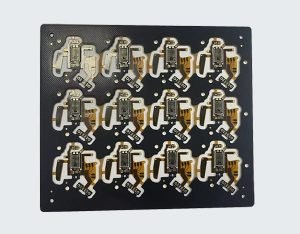
Flex PCBs and rigid flex PCBs are two popular options in the world of printed circuit boards.
Both have their own unique features and benefits that make them suitable for different applications.
In this article, we will explore the benefits of flex PCBs and how they compare to rigid flex PCBs.
Flex PCBs, also known as flexible printed circuit boards, are designed to be flexible and bendable.
This flexibility allows them to be used in applications where traditional rigid PCBs would not be suitable.
Flex PCBs are made of a thin, flexible substrate material such as polyimide or polyester, which allows them to bend and conform to the shape of the device they are being used in.
One of the main benefits of flex PCBs is their ability to save space in a device. Because they can be bent and folded, flex PCBs can be used in applications where space is limited, such as in wearable devices or medical implants.
This flexibility also allows for more creative and compact designs, as designers are not limited by the rigid shape of a traditional PCB.
Flex PCBs are also more durable than rigid PCBs.
Because they are designed to bend and flex, they are less likely to break or crack under stress.
This makes them ideal for applications where the PCB may be subjected to repeated bending or flexing, such as in a wearable device or a device that needs to be folded for storage.
Another benefit of flex PCBs is their ability to reduce the number of interconnects needed in a device.
Because flex PCBs can be bent and folded, they can be used to connect components that are not in a straight line.
This can reduce the overall size of the device and improve its reliability, as there are fewer points of failure.
In contrast, rigid flex PCBs combine the benefits of both rigid and flex PCBs.
Rigid flex PCBs consist of a combination of rigid and flexible sections, allowing for more complex designs and greater reliability.
The rigid sections provide stability and support for components, while the flexible sections allow for bending and folding.
One of the main benefits of rigid flex PCBs is their reliability.
Because they combine the benefits of both rigid and flex PCBs, they are less likely to fail under stress or strain.
This makes them ideal for applications where reliability is critical, such as in aerospace or medical devices.
Rigid flex PCBs also offer greater design flexibility than either rigid or flex PCBs alone.
Designers can create more complex and compact designs by combining rigid and flexible sections in a single PCB.
This allows for more creative and innovative designs, as designers are not limited by the constraints of a single type of PCB.
In conclusion, both flex PCBs and rigid flex PCBs have their own unique benefits and applications.
Flex PCBs are ideal for applications where space is limited and flexibility is required, while rigid flex PCBs offer greater reliability and design flexibility.
By understanding the unique features of each type of PCB, designers can choose the best option for their specific application.