
Benefits of Flex PCB
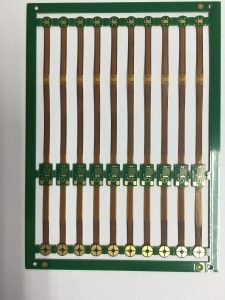
Flex PCBs and rigid flex PCBs are two popular choices for electronic applications that require flexibility and durability.
Both materials offer unique benefits and drawbacks, making it important to choose the right material for your specific application.
In this article, we will explore the benefits of flex PCBs and rigid flex PCBs to help you make an informed decision.
Flex PCBs, also known as flexible printed circuit boards, are made of a flexible substrate material that allows the board to bend and twist without breaking. This flexibility makes them ideal for applications that require a high degree of flexibility, such as wearable devices, medical devices, and automotive applications.
Flex PCBs are also lightweight and compact, making them a popular choice for applications where space is limited.
One of the key benefits of flex PCBs is their ability to reduce the overall size and weight of a device.
Because flex PCBs can be bent and twisted, they can be designed to fit into tight spaces and conform to the shape of the device.
This can help reduce the overall size and weight of the device, making it more portable and easier to handle.
Flex PCBs are also highly reliable and durable.
The flexible substrate material used in flex PCBs is designed to withstand bending and twisting without breaking, making them ideal for applications that require a high degree of flexibility.
Additionally, flex PCBs are resistant to vibration and shock, making them a reliable choice for applications that are exposed to harsh environments.
Rigid flex PCBs, on the other hand, combine the benefits of both rigid and flexible PCBs.
Rigid flex PCBs consist of a combination of rigid and flexible substrate materials, allowing the board to bend and twist in certain areas while remaining rigid in others.
This combination of flexibility and rigidity makes rigid flex PCBs ideal for applications that require a high degree of flexibility and durability.
One of the key benefits of rigid flex PCBs is their ability to reduce the number of interconnects needed in a device.
Because rigid flex PCBs can bend and twist in certain areas, they can eliminate the need for additional interconnects that would be required with traditional rigid PCBs.
This can help reduce the overall complexity of the device and improve reliability.
Rigid flex PCBs are also highly reliable and durable.
The combination of rigid and flexible substrate materials used in rigid flex PCBs makes them resistant to bending, twisting, vibration, and shock.
This makes them a reliable choice for applications that require a high degree of flexibility and durability.
In conclusion, both flex PCBs and rigid flex PCBs offer unique benefits and drawbacks that make them suitable for different applications.
Flex PCBs are ideal for applications that require a high degree of flexibility and compact size, while rigid flex PCBs are ideal for applications that require a combination of flexibility and rigidity.
By understanding the benefits of each material, you can choose the right material for your specific application and ensure the success of your electronic project.