
Versatile Applications: Rigid-Flex PCBs in Smart Devices
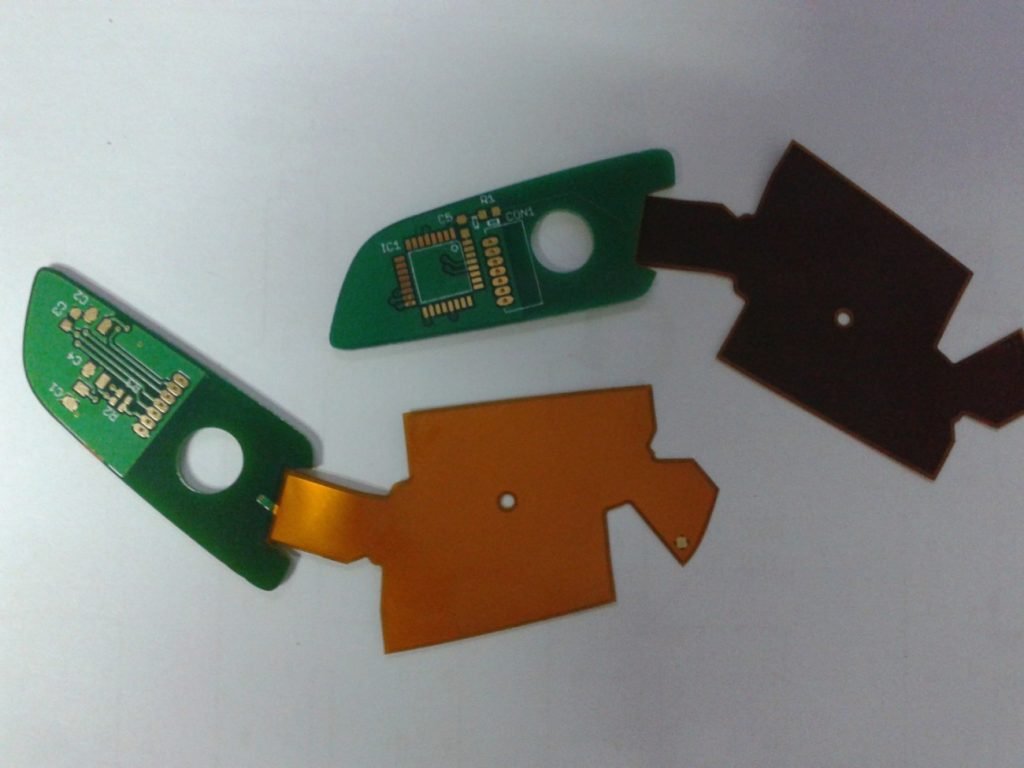
Rigid-flex printed circuit boards (PCBs) have become a cornerstone of modern electronics, thanks to their unique combination of flexibility, durability, and high performance. These PCBs are widely used in a variety of smart devices, including smartphones, tablets, wearables, and Internet of Things (IoT) devices.
Their ability to adapt to complex designs and compact spaces makes them an indispensable component in the development of cutting-edge technology.
In smartphones, rigid-flex PCBs play a critical role in enabling sleek, lightweight designs without compromising functionality. Smartphones require a high density of components and connections to support features such as high-resolution displays, advanced cameras, and fast processors.
Rigid-flex PCBs allow manufacturers to integrate these components into a single, compact board, reducing the need for bulky connectors and wiring. Additionally, the flexible sections of the PCB can be used to connect different parts of the phone, such as the display and the motherboard, while withstanding the constant bending and folding that occurs during everyday use.
Tablets also benefit from the versatility of rigid-flex PCBs.
Like smartphones, tablets demand high-performance circuitry in a thin and lightweight form factor.
Rigid-flex PCBs enable designers to create efficient layouts that accommodate large batteries, high-resolution screens, and powerful processors.
The flexibility of these PCBs also allows for innovative designs, such as foldable or dual-screen tablets, which are becoming increasingly popular in the market.
Wearable devices, such as smartwatches and fitness trackers, rely heavily on rigid-flex PCBs due to their compact size and need for durability.
Wearables are subjected to constant movement, bending, and exposure to environmental factors like moisture and temperature changes.
Rigid-flex PCBs are uniquely suited to handle these challenges, providing reliable performance in a small and lightweight package. Their ability to conform to the shape of the device ensures a comfortable fit for users while maintaining the integrity of the circuitry.
In the realm of IoT devices, rigid-flex PCBs are equally transformative.
IoT devices often require compact, energy-efficient designs to support their connectivity and sensor functionalities.
Rigid-flex PCBs enable the integration of multiple components, such as wireless communication modules and sensors, into a single board.
This not only reduces the size and cost of the device but also enhances its reliability and performance. From smart home devices to industrial sensors, rigid-flex PCBs are driving innovation in the IoT space.
In conclusion, the versatile applications of rigid-flex PCBs have made them a vital component in the development of smart devices.
Their ability to combine flexibility, durability, and high performance has enabled manufacturers to create smaller, more efficient, and more innovative products. As the demand for smart devices continues to grow, rigid-flex PCBs will remain at the forefront of technological advancement, powering the next generation of electronics.